
Safety Features and Innovations in Modern Glass Partitioning
Glass partitioning has become a favored choice in contemporary interior design, offering a seamless blend of aesthetics and functionality. From residential to commercial spaces, glass partitions create open, light-filled environments that enhance both comfort and style. However, the use of glass in any setting requires careful consideration of safety measures. Modern innovations in glass partitioning not only address these safety concerns but also elevate the functionality and versatility of this design element.
Safety is a fundamental concern in any interior design project, especially when working with materials like glass. As glass partitioning grows in popularity for homes, offices, and industrial spaces, ensuring it meets rigorous safety standards is critical. Innovations in glass technology have made partitioning safer without compromising its visual appeal, offering a balance of transparency, strength, and design.
Key Safety Features in Modern Glass Partitioning
Tempered Glass for Enhanced Durability
Tempered glass is one of the most commonly used materials in modern glass partitioning due to its superior durability. The manufacturing process involves heating the glass to extreme temperatures and then rapidly cooling it, which increases its strength. This process ensures that tempered glass is about four to five times stronger than standard glass, making it ideal for partitioning.
One of the key safety features of tempered glass is its shatter-proof quality. If it does break, it fractures into small, blunt-edged pieces that significantly reduce the risk of injury. This makes tempered glass an excellent option for busy environments, such as offices and public buildings, where safety is a priority.
Laminated Glass for Added Protection
Laminated glass is another safety-enhanced option used in glass partitioning. It consists of two layers of glass with a plastic interlayer between them. This interlayer holds the glass together in the event of breakage, preventing it from shattering into dangerous pieces. The plastic film provides an additional layer of protection, making laminated glass a popular choice for spaces that prioritize safety, such as schools and hospitals.
The impact-resistant nature of laminated glass also makes it effective against forced entry, adding a layer of security to the building. Furthermore, it blocks harmful UV rays, protecting interior furnishings from fading and enhancing the overall safety and longevity of a space.
Fire-Rated Glass Partitioning Systems
Fire-rated glass partitions are designed to contain the spread of fire and smoke while maintaining the transparent, open look that glass offers. These glass systems are manufactured with special coatings and materials that can withstand high temperatures for extended periods.
In commercial buildings and hospitals, where fire safety regulations are particularly stringent, fire-rated glass partitions play a crucial role in ensuring the safety of occupants. These systems allow for the aesthetic benefits of glass, such as natural light and open spaces, while complying with fire safety standards.
| Safety Feature | Benefit | Use Case |
|---|---|---|
| Tempered Glass | Shatter-proof, high durability | Offices, public buildings |
| Laminated Glass | Impact resistance, UV protection | Schools, hospitals |
| Fire-Rated Glass | Fire containment | Commercial buildings, hospitals |
Innovations in Glass Partitioning for Enhanced Safety
Smart Glass for Privacy and Security
Smart glass, also known as electrochromic or switchable glass, has emerged as a cutting-edge solution for modern interior design. This glass can change its transparency with the flick of a switch, transforming from clear to opaque based on the user’s needs. This innovation not only enhances privacy but also contributes to security by allowing users to control visibility in real time.
Smart glass is particularly beneficial in office environments where confidentiality is important, as well as in healthcare settings where patient privacy is a concern. Its ability to provide privacy on demand without the need for curtains or blinds also enhances cleanliness and hygiene, making it an excellent choice for sterile environments.
Acoustic Glass for Noise Reduction
Acoustic glass is designed to reduce noise pollution while maintaining the transparency and sleek look of regular glass. It is made by laminating multiple layers of glass with special acoustic interlayers that dampen sound waves, reducing the amount of sound that passes through.
In open-plan offices and public spaces, acoustic glass is an invaluable asset for reducing distractions and promoting a more productive environment. By offering soundproofing alongside the visual benefits of glass partitioning, acoustic glass provides both form and function, creating a peaceful yet stylish atmosphere.
Anti-Scratch and Anti-Slip Coatings
New innovations like anti-scratch and anti-slip coatings have further improved the safety and longevity of glass partitions. Anti-scratch coatings protect the glass surface from everyday wear and tear, while anti-slip coatings enhance the safety of glass flooring or low partitions used in places with high foot traffic.
These coatings contribute to the overall safety of glass partitions, ensuring they remain both aesthetically pleasing and durable over time. For environments where the glass is frequently touched or exposed to heavy use, such as retail spaces or corporate offices, these innovations provide both practical and design advantages.
Standards and Certifications for Safety in Glass Partitioning
Industry Safety Standards (ISO, ASTM, etc.)
Glass partitioning materials must comply with industry safety standards to ensure their suitability for various applications. Key standards include those from the International Organization for Standardization (ISO) and the American Society for Testing and Materials (ASTM). These standards regulate aspects like impact resistance, fire safety, and the structural integrity of glass.
Building Codes and Compliance
Adhering to local building codes is essential when installing glass partitions. These codes dictate the minimum safety requirements for glass installations, including aspects such as thickness, fire rating, and placement. Non-compliance can lead to severe penalties, as well as increased risks to the safety of occupants. Ensuring that your glass partitions meet these standards not only keeps people safe but also protects businesses from legal and financial repercussions.
Case Studies of Safe and Innovative Glass Partitioning Projects
Office Spaces: Creating Safe and Productive Environments
In a recent corporate office redesign, tempered glass partitions were used to create a modern, open-plan environment that prioritized both aesthetics and safety. The use of laminated glass in conference rooms provided additional privacy while reducing noise, helping employees stay focused and productive.
Residential Homes: Combining Aesthetics with Safety
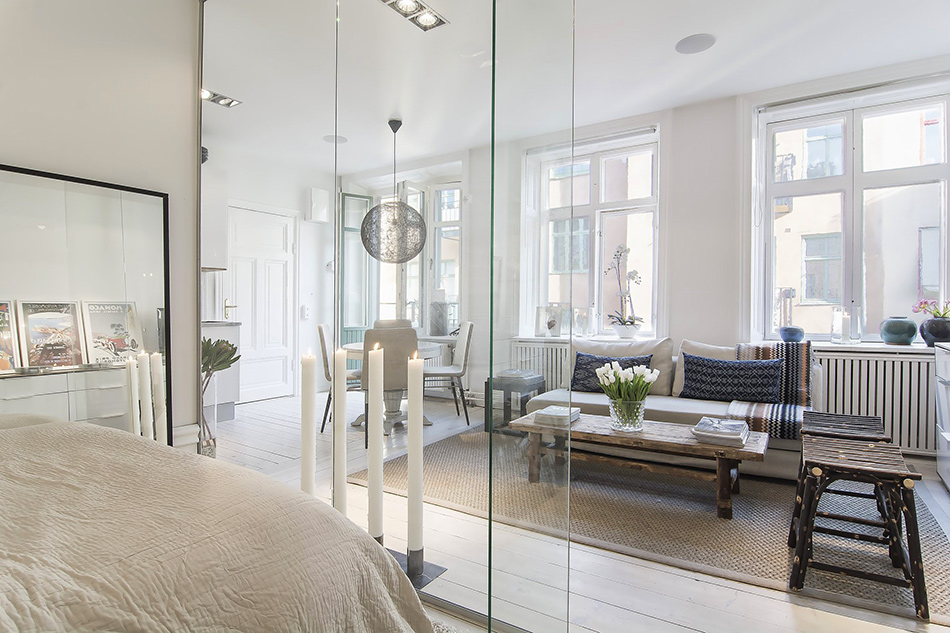
A residential project involved the installation of laminated glass partitions in a family home to divide living spaces without sacrificing openness. The glass added a contemporary feel to the space while ensuring that safety was a top priority, especially with children in the home.
Benefits of Modern Glass Partitioning for Interior Design
Aesthetics and Transparency without Compromising Safety
Glass partitions enhance the sense of space and light in an interior design without compromising safety. With options like tempered and laminated glass, designers can achieve a sleek, modern look while maintaining high safety standards.
Versatility in Design and Functionality
The flexibility of glass partitions allows for a wide range of applications in interior design, from dividing office spaces to creating private areas in homes. Modern innovations ensure that these partitions are not only functional but also safe and durable, meeting the needs of both designers and clients.
Modern glass partitioning offers a perfect blend of beauty, functionality, and safety. Innovations such as smart glass, acoustic glass, and fire-rated systems ensure that glass partitions can meet the demands of today’s interior design projects. By adhering to industry standards and incorporating these safety features, glass partitions can be safely integrated into any space, whether it’s a residential home, a corporate office, or a healthcare facility.


